by alpha_dev | Feb 19, 2026
What is a paediatrician consultation
A paediatrician is a specialist who monitors children’s health and development, with particular focus on newborns and their care from the very first days after birth.
A consultation with a paediatrician provides parents with professional guidance on newborn care, child development and the prevention of common childhood illnesses.
Who This Consultation May Be Suitable For
A paediatric consultation may be helpful in cases such as:
- Expectant mothers preparing for childbirth and the first stages of newborn care
- Initial and follow-up examinations of the baby after birth
- Questions related to newborn care
- Infant feeding and child development
- Preventive check-ups
- Common childhood illnesses
- Concerns about growth and development
What the Consultation Includes
During the appointment, the paediatrician may:
What Parents Can Expect
- A detailed medical examination
- Professional guidance and practical advice
- An individualised approach to every child
Risks and Safety
A paediatric consultation is a standard medical examination and is completely safe.
Duration
- Duration: approximately 20 to 30 minutes
Team and Specialists
Consultations are carried out by a neonatologist with a paediatrics specialty and experience in the care of newborns and children.
Where the Consultation Is Available
Paediatric consultations are available at:
Frequently Asked Questions
When is the best time for a first paediatric consultation?
Parents may seek paediatric guidance even during pregnancy, especially in preparation for newborn care after birth.
What should I bring to the appointment?
If the child has any previous medical documents or test results, it is advisable to bring them to the consultation.
At which clinic is the consultation available?
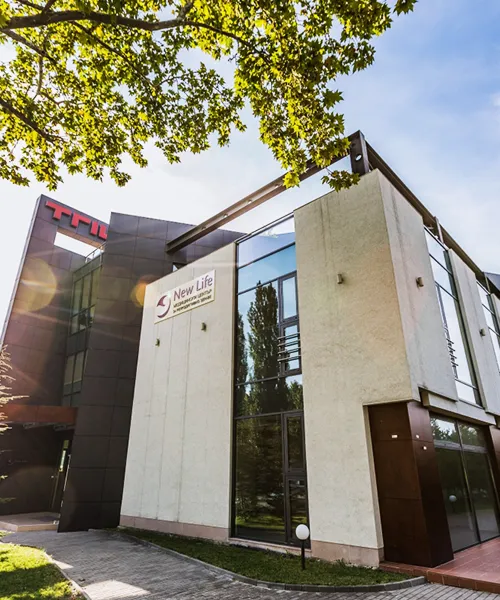
Paediatric consultations are available at New Life Plovdiv.

by alpha_dev | Feb 19, 2026
What is a psychologist consultation
A psychologist consultation provides professional support for emotional and psychological challenges that may arise during fertility treatment, pregnancy, or the transition to parenthood.
Psychological support can help patients cope with stress, uncertainty and emotional strain throughout this journey.
Who This Consultation May Be Suitable For
A psychologist consultation may be helpful in cases of:
- Stress and anxiety related to treatment
- Emotional difficulties connected with reproductive challenges
- Preparation for parenthood
- Important life decisions
- The need for emotional support
What the Consultation Includes
During the consultation, the psychologist may:
What Patients Can Expect
- A calm and confidential environment
- A supportive conversation
- Professional psychological support
- An individualised approach
Risks and Safety
A psychologist consultation is completely safe and takes place in a fully confidential setting.
Duration
- Duration: approximately 50 to 60 minutes
Team and Specialists
Consultations are provided by a qualified psychologist with experience supporting patients undergoing fertility treatment.
Where the Consultation Is Available
Psychologist consultations are available at:
Frequently Asked Questions
Is a referral required?
No. The consultation can be booked directly.
Is this consultation only for patients with fertility difficulties?
No. The consultation is suitable for anyone who needs psychological support.

by alpha_dev | Feb 19, 2026
What is a Urologist Consultation
A urologist is a specialist in conditions affecting the urinary tract and the male reproductive system.
A consultation with a urologist is an important part of the assessment and management of male factor infertility. During the appointment, the patient’s overall health is evaluated and possible causes of fertility-related or urological concerns are discussed.
Who This Consultation May Be Suitable For
A urologist consultation may be recommended in cases of:
- Abnormal semen analysis results
- Difficulty conceiving within the couple
- Urogenital infections
- Pain or discomfort in the urogenital area
- Other urological concerns
What the Consultation Includes
During the appointment, the urologist may carry out the following:
In some cases, a semen analysis or other specialised tests may also be advised.
What Patients Can Expect
- A confidential medical consultation
- A detailed assessment of their health
- An individualised approach
- Recommendations for treatment or further investigations
Risks and Safety
A urologist consultation is a standard medical appointment and does not in itself pose a risk to the patient.
Duration and Preparation
- Duration: approximately 30 minutes
- Preparation: if previous test results are available, it is advisable to bring them to the appointment
Team and Specialists
Consultations are carried out by a urologist experienced in the diagnosis and treatment of conditions affecting the male reproductive system.
Where the Consultation Is Available
Urologist consultations are available at:
Frequently Asked Questions
When is a urologist consultation recommended in cases of reproductive difficulty?
It is commonly recommended when there are abnormalities in semen analysis results or when male factor infertility is suspected.
Are any tests required in advance?
In some cases, the doctor may recommend a semen analysis or other laboratory tests before or after the consultation.
At which clinics is this consultation available?
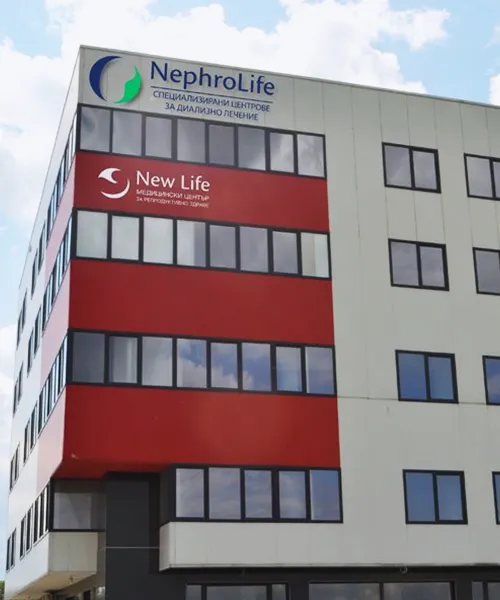
Urologist consultations are available at New Life Plovdiv and New Life Burgas.

by alpha_dev | Feb 19, 2026
What is PRP therapy
PRP therapy (Platelet-Rich Plasma) is a procedure that uses platelet-rich plasma derived from the patient’s own blood.
This plasma contains growth factors that support tissue regeneration and natural repair.
Conditions for Which It May Be Recommended
PRP therapy may be recommended in cases of:
- Vaginal dryness
- Reduced vaginal tone
- Discomfort during intimacy
- Age-related changes in the intimate area
- Postpartum changes
How the Procedure Is Performed
The procedure includes several stages:
- 1.A small blood sample is taken from the patient
- 2.The blood is processed using a specialised centrifuge
- 3.The platelet-rich plasma is separated
- 4.The plasma is applied to the treatment area
The entire procedure usually takes around 30 to 40 minutes.
What Patients Can Expect
- Treatment using the patient’s own biological material
- A minimally invasive procedure
- Minimal downtime and a short recovery period
Risks and Safety
Because the patient’s own blood is used, the risk of allergic reactions is minimal.
The procedure is carried out by a specialist following a medical consultation.
Duration and Recovery
- Duration: approximately 30 to 40 minutes
- Recovery: minimal

by alpha_dev | Feb 19, 2026
What are laser procedures
Laser procedures in gynaecology are a modern treatment option designed to improve the condition of the vaginal mucosa and tissues in the intimate area.
Using specialised medical laser technology, the procedure stimulates collagen production and supports tissue regeneration.
The treatment is minimally invasive and performed on an outpatient basis.
.
Conditions for Which It May Be Recommended
Laser procedures may be recommended in cases of:
- Vaginal dryness
- Vaginal atrophy
- Reduced vaginal tone
- Discomfort during intimacy
- Mild stress urinary incontinence
- Postpartum changes
How the Procedure Is Performed
The procedure is carried out in an outpatient setting and usually takes around 15 to 20 minutes.
During the treatment, a specialised applicator is used to deliver controlled laser energy to the tissues.
This stimulates the body’s natural regenerative processes and helps improve tissue condition and tone.
What Patients Can Expect
- A short procedure
- Minimal discomfort
- A quick return to normal daily activities
A course of several sessions is usually recommended for optimal results.
Risks and Safety
Laser procedures are performed by a specialist gynaecologist and have a high safety profile.
A medical examination is carried out beforehand to determine whether the patient is suitable for this type of treatment.
Duration and Recovery
- Duration: approximately 15 to 20 minutes
- Recovery: minimal; patients can usually return to their normal daily activities the same day