

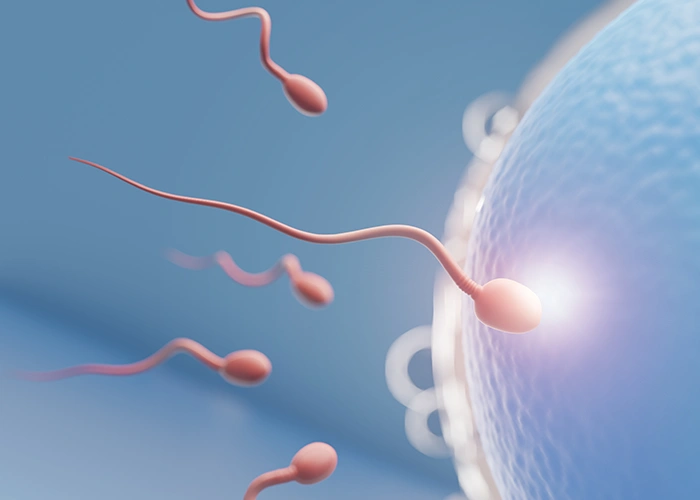
Donor Sperm Programme  

What is The Donor Sperm Programme

The Donor Sperm Programme is an assisted reproductive treatment option in which donor sperm is used to help achieve pregnancy. Depending on the individual medical case, donor sperm may be used in procedures such as intrauterine insemination (IUI) or in vitro fertilisation (IVF / ICSI).  

At New Life, only cryopreserved donor sperm is used. All samples undergo a mandatory quarantine period of at least 180 days in order to ensure the highest possible level of safety for patients.  

Who This Programme May Be Suitable For

  • Donor sperm may be an appropriate option in cases of:  
  • Severe male factor infertility with no viable sperm cells
  • Genetic conditions in the male partner
  • Multiple unsuccessful attempts using partner sperm
  • Absence of a partner
  • Medical indications where donor sperm is recommended  

Donor Selection

Patients can choose a donor from a carefully selected donor pool. Each donor profile includes relevant background information to support the decision-making process.

Available donor information may include:

  • physical characteristics (height, hair colour, eye colour)
  • blood group
  • education
  • hobbies and interests
  • other general profile details

The goal is to select a donor who is as closely aligned as possible with the patient’s preferences and characteristics.

Main Stages of the Procedure

Initial Consultation

Medical assessment and discussion of whether donor sperm is the most appropriate option for the individual case.

1

Donor Selection

Selection of a donor from the available database based on the information provided in the donor profile.  

2

Preparation of the Patient

Ovulation monitoring or preparation of the endometrial lining, depending on the planned treatment approach.

3

Thawing of the Donor Sample

The cryopreserved sperm sample is thawed on the day of the procedure.  

4

Treatment Procedure

The donor sperm is used for insemination or IVF, depending on the medical indication and treatment plan.  

5

Screening and Safety

All donors undergo strict medical and laboratory screening. Donor sperm is quarantined for a minimum of 180 days, after which donors are retested for infectious diseases such as:

  • HIV
  • hepatitis B
  • hepatitis C
  • other relevant infections.  

This process is designed to minimise the risk of infection transmission and ensure the highest standards of patient safety.  

Benefits of the Donor Sperm Programme

The main benefits of donor sperm treatment include:  

  • The opportunity to achieve pregnancy in cases of severe male factor infertility
  • Access to carefully selected, high-quality donor material
  • Strict medical control and safety standards
  • The option to choose a donor based on specific characteristics  

Team and Specialists

The procedure is carried out by a multidisciplinary team that may include:  

  • Fertility specialists
  • Obstetricians and gynaecologists
  • Embryologists
  • Nurses
  • Laboratory specialists  

Where the Procedure Is Available

The Donor Sperm Programme is available at New Life reproductive medicine centres in:  
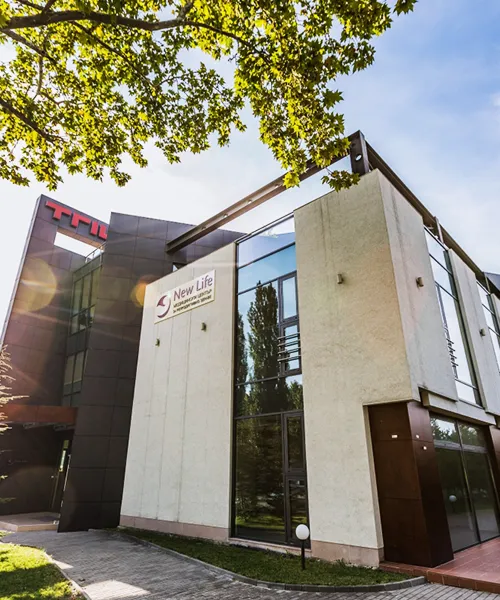
New Life Plovdiv

New Life Nia Med Stara Zagora
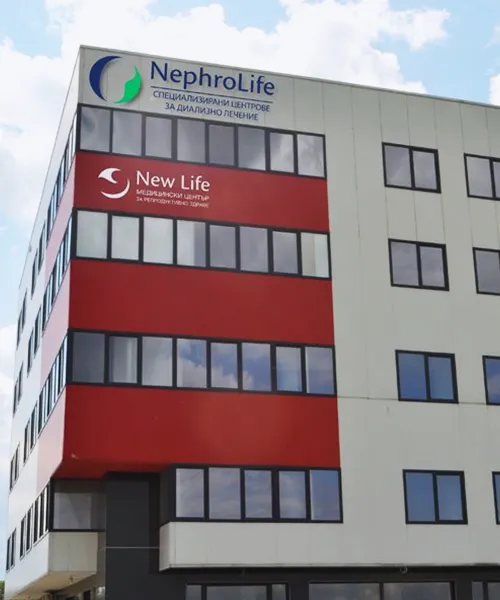
New Life Burgas

Book An Appointment Online
Joystick Superdoc

Frequently Asked Questions

Are donors anonymous?

Yes. Donation is carried out in accordance with the applicable legal requirements for personal data protection.  

How is the safety of donor sperm ensured?

Only frozen donor sperm is used, and every sample is kept in quarantine for at least 180 days and followed by repeat infectious disease testing.  

Can a donor be selected?

Yes. Patients can choose a donor based on the available profile information, including physical characteristics and other general details.

In which procedures is donor sperm used?

Most commonly, donor sperm is used in intrauterine insemination (IUI) or in vitro fertilisation (IVF / ICSI).  

How long does the process take?

The timeline depends on donor selection and the patient’s preparation, but in most cases the procedure is planned within a single menstrual cycle.