


Main Stages of the Procedure
Ovulation Monitoring
Ovulation is monitored through ultrasound examinations and, when necessary, controlled ovarian stimulation.
1
Sperm Preparation
The semen sample is processed in the laboratory to select the most suitable sperm cells for insemination.
2
Insemination Procedure
The prepared sperm is placed directly into the uterus through a quick and painless procedure that does not require anaesthesia.
3
Where Is the Procedure Performed?
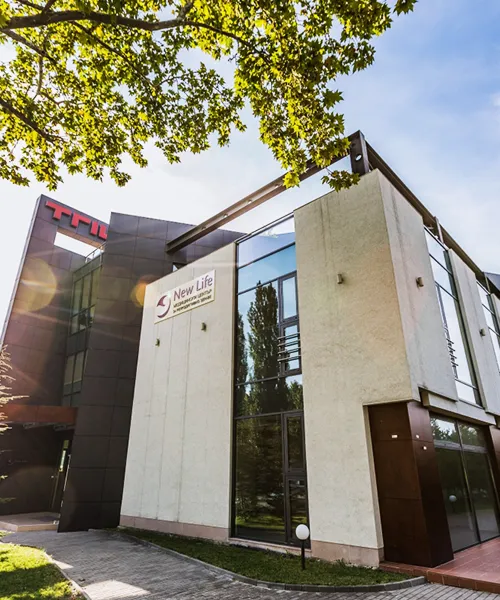
New Life Plovdiv
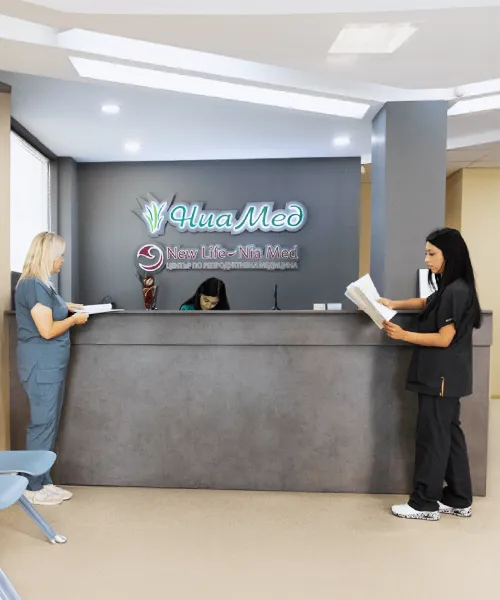
New Life Nia Med Stara Zagora

Frequently Asked Questions
Is the procedure painful?
No. The procedure is short and painless. No anesthesia is required, and most women compare it to a routine gynecological examination.
How long does insemination take?
The procedure itself takes only a few minutes and is performed within a single menstrual cycle.
What is the success rate?
Success rates depend on age, the underlying cause of infertility, and individual circumstances. Intrauterine insemination is generally recommended as a first-line treatment before moving on to more complex methods.
Are there any risks?
The risks are minimal. Intrauterine insemination is a widely used and safe procedure when performed by an experienced medical team.
Is any special preparation required?
Yes. Before insemination, preliminary examinations and ovulation monitoring are performed. Your doctor will provide you with specific instructions.
How many times can insemination be performed?
Several attempts are usually recommended before considering other treatment options if pregnancy is not achieved.
Does the partner need to be present?
Yes, if partner sperm is being used. The partner’s presence is required on the day of the procedure.
Which clinics perform the procedure?
Intrauterine insemination is performed at New Life – Plovdiv and New Life Nia Med – Stara Zagora.
How can I book an appointment?
Appointments can be scheduled through the clinic’s registration desk or via the online appointment form.