by alpha_dev | Apr 18, 2026
What Is IVF?
In Vitro Fertilisation (IVF) is an assisted reproductive technology in which fertilisation of the egg by a sperm cell takes place outside the woman’s body, in a specialised embryology laboratory.
Following fertilisation and a period of embryo development, the embryo is transferred into the uterus.
Who Can Benefit from IVF?
IVF may be recommended in cases of:
- Female-factor infertility (ovulatory disorders, endometriosis, tubal factor infertility, etc.)
- Male-factor infertility (reduced sperm parameters)
- Combined male and female infertility factors
- Unexplained infertility
- Previous unsuccessful treatment attempts with less invasive fertility methods
- The need for genetic testing, embryo selection, or specialised laboratory techniques
Main Stages of an IVF Cycle
A comprehensive medical evaluation, fertility investigations, and development of an individualised treatment plan.
1
Controlled hormonal stimulation aimed at maturing multiple eggs, with regular ultrasound and hormonal monitoring.
2
A minimally invasive procedure performed under short intravenous anaesthesia.
3
Fertilisation takes place in the embryology laboratory, where embryo development is carefully monitored.
4
Placement of the embryo(s) into the uterus through a quick and painless procedure.
5
Hormonal support and monitoring until the pregnancy test.
6
What to Expect
- Personalised treatment and ongoing communication with the medical team
- Medical and emotional support throughout the process
- Clear guidance at every stage of treatment
- A treatment plan tailored to the patient’s individual needs and circumstances
Safety and Risks
IVF is a well-established and safe medical procedure when performed under specialist supervision.
Potential risks are uncommon and are minimised through careful treatment planning, individualised protocols, and close monitoring throughout the cycle.
Duration and Preparation
Treatment duration: Approximately 4–6 weeks under typical circumstances.
Preparation includes:
- Fertility investigations and medical assessments
- Consultations with fertility specialists
- Individual treatment planning
In most cases, long-term absence from work is not required.
Medical Team
Your IVF treatment is supported by a multidisciplinary team including:
- Reproductive medicine specialists
- Obstetricians and gynaecologists
- Embryologists
- Fertility nurses
- Anaesthesiologists
- Psychologist (when needed)
Where Is the Procedure Performed?
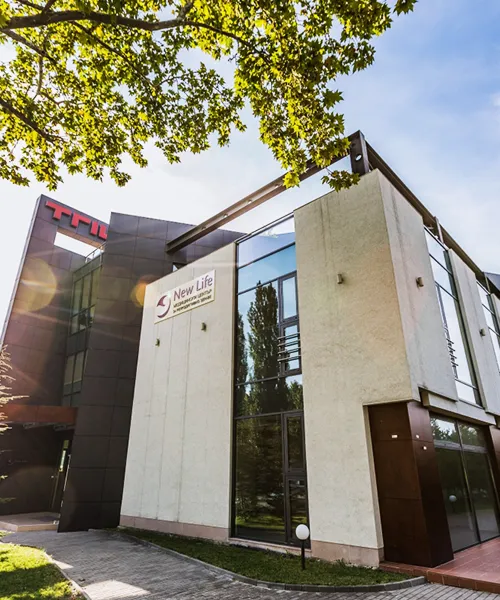
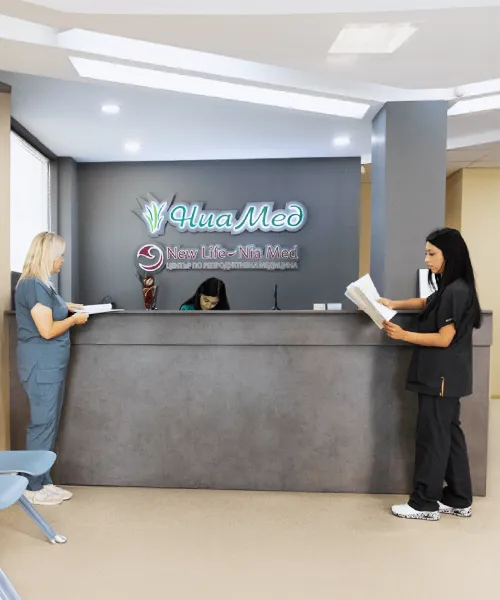
New Life Nia Med Stara Zagora

by alpha_dev | Apr 17, 2026
What Is Intrauterine Insemination (IUI)?
Intrauterine insemination (IUI) is an assisted reproductive procedure in which specially prepared sperm is placed directly into the uterus around the time of ovulation.
The procedure is designed to support the natural fertilisation process by increasing the number of motile sperm cells reaching the egg.
Who Can Benefit from IUI?
IUI may be recommended in cases of:
- Mild male-factor infertility
- Ovulation disorders
- Cervical-factor infertility
- Unexplained infertility
- Couples at an earlier stage of fertility treatment
Main Stages of the Procedure
Ovulation is monitored through ultrasound examinations and, when necessary, controlled ovarian stimulation.
1
The semen sample is processed in the laboratory to select the most suitable sperm cells for insemination.
2
The prepared sperm is placed directly into the uterus through a quick and painless procedure that does not require anaesthesia.
3
What to Expect
- Minimally invasive treatment
- Short procedure time
- Quick return to normal daily activities
Safety and Risks
Intrauterine insemination is a gentle and low-risk procedure.
It is performed under strict medical and laboratory standards to ensure patient safety and optimal treatment conditions.
Duration and Preparation
Treatment duration: Several days within a single menstrual cycle.
Preparation includes: Fertility investigations, Ovulation monitoring, Individual treatment planning
Medical Team
The procedure is performed by an obstetrician-gynaecologist together with an experienced laboratory team specialising in reproductive medicine.
Where Is the Procedure Performed?
New Life Nia Med Stara Zagora
Frequently Asked Questions
Is the procedure painful?
No. The procedure is short and painless. No anesthesia is required, and most women compare it to a routine gynecological examination.
How long does insemination take?
The procedure itself takes only a few minutes and is performed within a single menstrual cycle.
What is the success rate?
Success rates depend on age, the underlying cause of infertility, and individual circumstances. Intrauterine insemination is generally recommended as a first-line treatment before moving on to more complex methods.
Are there any risks?
The risks are minimal. Intrauterine insemination is a widely used and safe procedure when performed by an experienced medical team.
Is any special preparation required?
Yes. Before insemination, preliminary examinations and ovulation monitoring are performed. Your doctor will provide you with specific instructions.
How many times can insemination be performed?
Several attempts are usually recommended before considering other treatment options if pregnancy is not achieved.
Does the partner need to be present?
Yes, if partner sperm is being used. The partner’s presence is required on the day of the procedure.
Which clinics perform the procedure?
Intrauterine insemination is performed at New Life – Plovdiv and New Life Nia Med – Stara Zagora.
How can I book an appointment?
Appointments can be scheduled through the clinic’s registration desk or via the online appointment form.

by alpha_dev | Mar 25, 2026
What is The Donor Egg Programme
The Donor Egg Programme is an assisted reproductive treatment option for women who are unable to conceive using their own eggs.
Fertilisation is carried out through IVF, using donor eggs and either the partner’s sperm or donor sperm in the embryology laboratory. Once embryo development has been monitored, the resulting embryo or embryos are transferred to the patient’s uterus.
The programme is conducted in full compliance with the requirements of the Bulgarian Ministry of Health and the Executive Agency for Medical Supervision.
Who This Programme May Be Suitable For
Donor eggs may be an appropriate solution in cases of:
- Severely diminished ovarian reserve
- Absence of viable eggs
- Poor response to hormonal stimulation
- Genetic conditions that may be passed on to a child
- Multiple unsuccessful IVF attempts
- Advanced reproductive age
Donor Selection
Within the programme, patients can select a donor through a specialised donor database.
The available donor information may include characteristics such as:
- eye colour
- hair colour
- height
- blood type
- level of education
- other physical traits.
The aim is to achieve the closest possible match between the donor and the recipient.
Main Stages of the Procedure
Review of the patient’s medical history and discussion of the most appropriate treatment options.
1
Selection of a suitable donor from the available database or through a related donor arrangement.
2
Hormonal preparation of the endometrium to support embryo implantation.
3
The donor eggs are fertilised using IVF or ICSI in the embryology laboratory.
4
One or more embryos are transferred to the uterus.
5
Screening and Safety
All donors undergo strict medical and laboratory screening, including:
- infectious disease testing
- genetic screening
- a full medical assessment
Our goal is to provide the most appropriate and safest pathway for couples for whom donor treatment offers the best chance of achieving pregnancy.
Advantages of the Donor Egg Programme
One of the main advantages of donor egg treatment is the significantly higher chance of achieving pregnancy.
We work with one of the largest donor egg banks in Europe which provides access to a broad donor pool, consistently high standards and improved prospects for treatment success.
Related Donor Option
The donor may also be a relative of the patient, such as a sister or cousin.
For this type of donation, the donor age limit is up to 38 years.
Many families prefer this option because it may allow for closer physical and genetic resemblance.
Where the Procedure Is Available
The Donor Egg Programme is available at New Life reproductive medicine centres in:
New Life Nia Med Stara Zagora
Frequently Asked Questions
Are donors anonymous?
Yes. Donation is carried out in accordance with the applicable legal requirements for personal data protection and donor anonymity.
How is a donor selected?
Patients choose a donor based on the available medical and physical profile information.
What is the success rate?
Success rates with donor eggs are generally higher, as the eggs come from young and medically screened donors.
How long does the process take?
The timeline depends on donor selection and the patient’s preparation, but the process usually takes several weeks.
by alpha_dev | Mar 25, 2026
What is The Donor Sperm Programme
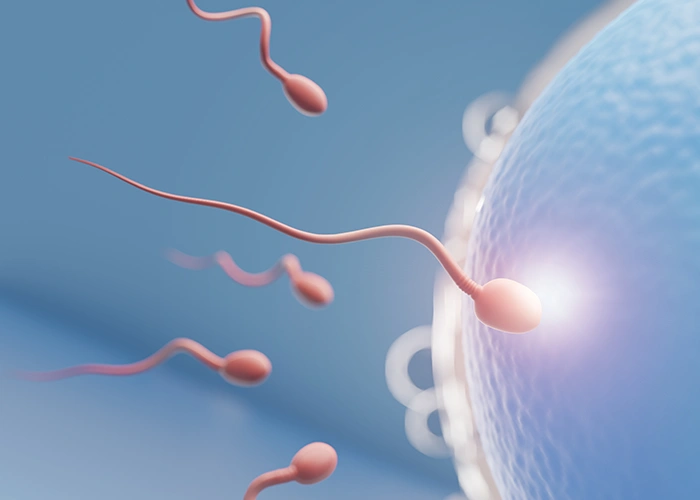
The Donor Sperm Programme is an assisted reproductive treatment option in which donor sperm is used to help achieve pregnancy. Depending on the individual medical case, donor sperm may be used in procedures such as intrauterine insemination (IUI) or in vitro fertilisation (IVF / ICSI).
At New Life, only cryopreserved donor sperm is used. All samples undergo a mandatory quarantine period of at least 180 days in order to ensure the highest possible level of safety for patients.
Who This Programme May Be Suitable For
- Donor sperm may be an appropriate option in cases of:
- Severe male factor infertility with no viable sperm cells
- Genetic conditions in the male partner
- Multiple unsuccessful attempts using partner sperm
- Absence of a partner
- Medical indications where donor sperm is recommended
Donor Selection
Patients can choose a donor from a carefully selected donor pool. Each donor profile includes relevant background information to support the decision-making process.
Available donor information may include:
- physical characteristics (height, hair colour, eye colour)
- blood group
- education
- hobbies and interests
- other general profile details
The goal is to select a donor who is as closely aligned as possible with the patient’s preferences and characteristics.
Main Stages of the Procedure
Medical assessment and discussion of whether donor sperm is the most appropriate option for the individual case.
1
Selection of a donor from the available database based on the information provided in the donor profile.
2
Ovulation monitoring or preparation of the endometrial lining, depending on the planned treatment approach.
3
The cryopreserved sperm sample is thawed on the day of the procedure.
4
The donor sperm is used for insemination or IVF, depending on the medical indication and treatment plan.
5
Screening and Safety
All donors undergo strict medical and laboratory screening. Donor sperm is quarantined for a minimum of 180 days, after which donors are retested for infectious diseases such as:
- HIV
- hepatitis B
- hepatitis C
- other relevant infections.
This process is designed to minimise the risk of infection transmission and ensure the highest standards of patient safety.
Benefits of the Donor Sperm Programme
The main benefits of donor sperm treatment include:
- The opportunity to achieve pregnancy in cases of severe male factor infertility
- Access to carefully selected, high-quality donor material
- Strict medical control and safety standards
- The option to choose a donor based on specific characteristics
Team and Specialists
The procedure is carried out by a multidisciplinary team that may include:
- Fertility specialists
- Obstetricians and gynaecologists
- Embryologists
- Nurses
- Laboratory specialists
Where the Procedure Is Available
The Donor Sperm Programme is available at New Life reproductive medicine centres in:
New Life Nia Med Stara Zagora
Frequently Asked Questions
Are donors anonymous?
Yes. Donation is carried out in accordance with the applicable legal requirements for personal data protection.
How is the safety of donor sperm ensured?
Only frozen donor sperm is used, and every sample is kept in quarantine for at least 180 days and followed by repeat infectious disease testing.
Can a donor be selected?
Yes. Patients can choose a donor based on the available profile information, including physical characteristics and other general details.
In which procedures is donor sperm used?
Most commonly, donor sperm is used in intrauterine insemination (IUI) or in vitro fertilisation (IVF / ICSI).
How long does the process take?
The timeline depends on donor selection and the patient’s preparation, but in most cases the procedure is planned within a single menstrual cycle.

by alpha_dev | Mar 24, 2026
What are intravenous therapies
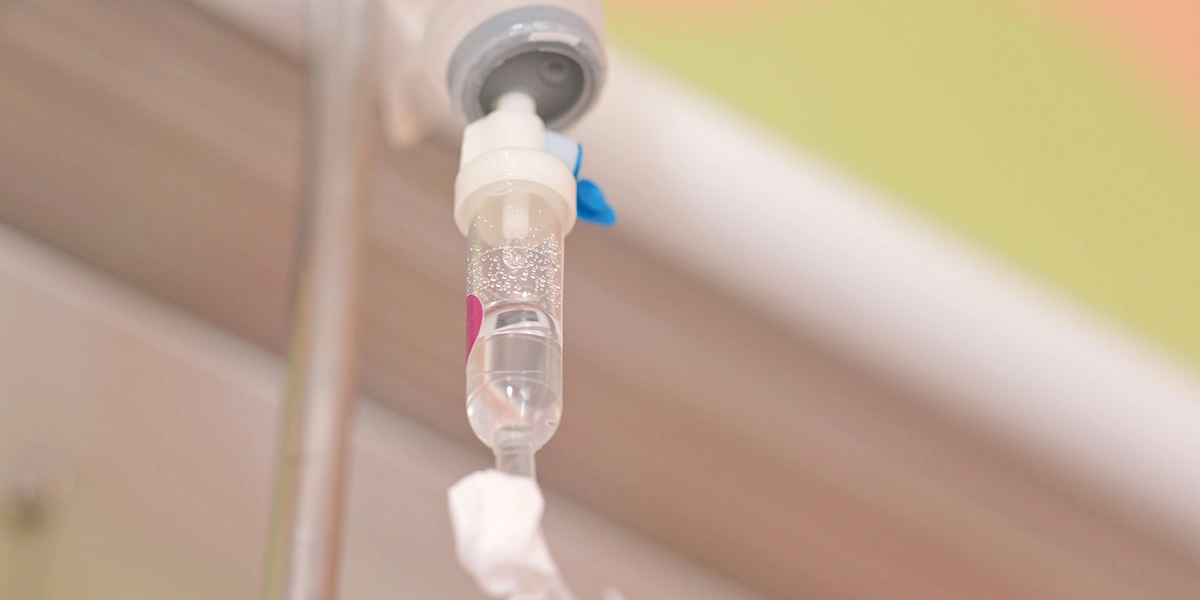
Intravenous therapy is a method of administering specific active ingredients directly into the bloodstream through intravenous infusion. This allows the ingredients to be absorbed quickly and efficiently by the body.
In medical practice, intravenous therapies are used to support various physiological processes, aid recovery, and provide additional support in specific situations.
At New Life, intravenous therapies are available with:
All therapies are carried out following a medical consultation and specialist assessment.
Who These Therapies May Be Suitable For
Intravenous therapies may be recommended in cases of:
- Increased oxidative stress
- The need to support cellular protection
- Fatigue and physical strain
- The need for antioxidant support
- Recovery after physical or emotional stress
The most appropriate therapy is determined individually after consultation with a doctor.
Types of Intravenous Therapies
Intravenous Glutathione Therapy
Glutathione is one of the body’s primary antioxidants. It plays an important role in protecting cells from oxidative stress and supports a range of detoxification-related processes.
Administering glutathione intravenously allows for faster absorption by the body.
Intravenous Resveratrol Therapy
Resveratrol is a naturally occurring compound with antioxidant properties that is associated with supporting cellular protection and regeneration processes.
Its intravenous administration allows for controlled and effective delivery into the body.
How the Procedure Is Performed
Intravenous therapy is carried out on an outpatient basis.
The procedure includes:
- Insertion of an intravenous line
- Slow intravenous administration of the solution
- Medical supervision during the infusion
The procedure usually takes between 30 and 60 minutes.
What Patients Can Expect
- A calm clinical environment
- Monitoring by a medical professional
- A short and controlled procedure
- A quick return to normal daily activities
Risks and Safety
Intravenous therapies are carried out under medical supervision and only after specialist assessment.
As with any medical procedure, individual reactions are possible, which is why a consultation and patient assessment are carried out before treatment.
Duration and Preparation
- Duration: approximately 30 to 60 minutes
- Preparation: no special preparation is required unless otherwise advised by the doctor
Where the Procedure Is Available
Intravenous therapies are available at:
Frequently Asked Questions
Is the procedure painful?
The procedure involves the placement of an intravenous line, similar to a standard infusion, and is generally well tolerated.
How long does the therapy take?
Depending on the type of therapy, the infusion usually lasts between 30 and 60 minutes.
Is recovery needed after the procedure?
In most cases, patients can return to their usual daily activities immediately after the procedure.
How often can intravenous therapies be administered?
The frequency is determined individually by the doctor according to the patient’s condition.